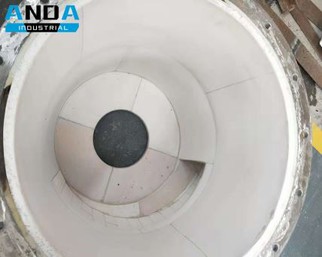
Structure of Nitride Bonded Silicon Carbide: The Molecular Blueprint Revolutionizing Modern LPDC Systems
The global non-ferrous foundry sector is experiencing an unprecedented push toward extreme thermal efficiency and zero-contamination alloy processing. In high-throughput low pressure die casting (LPDC) operations, metallurgical engineers consistently rank premature component failure as their primary operational bottleneck. Recent foundry data reveals that refractory-related failures and chemical corrosion contribute to nearly 18% of total scrap rates and drive up annual capital expenditures due to constant maintenance shutdowns.
To eliminate these high costs, progressive foundries are accelerating their transition from traditional cast iron or fused silica components to advanced composite ceramics. At the center of this materials evolution is the complex structure of nitride bonded silicon carbide (NSiC)-a microstructural marvel engineered to withstand the brutal environment of molten aluminum delivery systems and optimize modern casting workflows.
The Molecular Architecture: Understanding the Bonded Matrix
The exceptional performance of Nitride Bonded Silicon Carbide lies entirely within its unique dual-phase crystalline layout. Unlike standard sintered ceramics, NSiC is produced through a precise reaction-bonding process where high-purity silicon carbide (-SiC) grains are interlocked by an expertly formed silicon nitride (Si3N4) matrix.
During high-temperature nitridation, nitrogen gas reacts with fine silicon metal packed around the rigid SiC particles. This reaction generates needle-like or fibrous alpha and beta silicon nitride crystals that grow directly into the interstitial voids. This creates a dense, three-dimensional interlocking network that encapsulates the tough SiC aggregate without any glassy phases. This absent glassy phase is the exact reason the material maintains incredible mechanical strength and creep resistance at working temperatures exceeding 1400°C.
Solving the LPDC Pain Point: Mechanical Rigidity vs. Melt Erosion
In a typical low pressure die casting setup, the casting stalk tube must survive intense cyclical pressure, aggressive chemical erosion, and severe thermal shock. If the inner wall of the tube degrades, it leads to pressure loss, air leakage, and catastrophic iron contamination.
The specialized structure of nitride bonded silicon carbide addresses these heavy-duty industrial pain points by offering an optimized balance of engineering traits:
| Structural Property | Nitride Bonded SiC (NSiC) Matrix | Traditional Refractory / Cast Iron | Direct Foundry Benefit |
|---|---|---|---|
| Molten Al Non-Wetting | Excellent (Zero chemical affinity to Al) | Poor (High wetting and oxide buildup) | Prevents dross accumulation, ensures clean flow, zero iron pick-up |
| Thermal Expansion Coeff. | Low | High | Immune to thermal shock cracking during rapid LPDC pressure cycles |
| Mohs Hardness | > 9 (Approaching Diamond) | 4 to 6 | Resists high-velocity molten metal erosion at the gate entry |
| Bending Strength (RT) | 160 to 200 MPa | Variable (Degrades rapidly at heat) | Maintains structural integrity under high mechanical clamping loads |
While NSiC provides magnificent resistance to mechanical erosion in massive structural components like furnace linings and heavy-duty tiles, ultra-precise aluminum casting environments often demand the absolute pin-point surface density of monolithic ceramics. For deep-draw casting stations requiring maximum insulation and structural purity, opting for a pure silicon nitride riser tube or specialized ceramic riser tube represents the pinnacle of melt safety. To evaluate which structural ceramic matrix aligns with your specific melt temperature and alloy chemistry, read our comprehensive Material analysis of Aluminum Casting Riser tubes.
Strategic Integration: Elevating the Casting Stalk Tube and Beyond
Maximizing the benefits of the structure of nitride bonded silicon carbide and advanced silicon nitride requires a systemic approach to the entire melt passage. Modern foundry upgrade trends focus on upgrading three distinct operational areas:
1. Next-Generation Casting Stalk Tubes
Upgrading to an advanced ceramic casting stalk tube completely eliminates iron inclusion defects. The exceptional dimensional stability of the interlocking crystal network ensures the tube maintains a perfectly tight pressure seal across thousands of low pressure cycles, yielding a direct 35% increase in operational uptime.
2. High-Durability Thermocouple Protection Sheaths
The aggressive corrosive environment inside aluminum-silicon holding furnaces degrades standard sensors in days. Utilizing specialized technical ceramic protection tubes shields sensitive thermocouples, providing reliable, lag-free thermal readings essential for automated solidification control.
3. Inline Degassing & Flow Control Components
Integrating non-wetting ceramic rotors, sprue bushings, and target blocks ensures that hydrogen gas and non-metallic inclusions are thoroughly removed before the molten alloy reaches the mold cavity, preventing sub-surface porosity defects.
Technical Insight (EEAT Field Verification): Field telemetry from tier-1 automotive casting facilities confirms that replacing conventional clay-bonded materials with engineered nitride-bonded matrices extends the operational service life of critical melt components from weeks to over 12 months, slashing localized maintenance labor overhead by more than $45,000 annually per line.
Shandong Anda Industrial: Engineered Excellence in Advanced Ceramics
At Shandong Anda Industrial Co., Ltd., we transform advanced material science into profitable foundry performance. With over 15 years of international B2B export experience and an elite 10,000㎡ production facility in Zibo, Shandong Province-the heart of China's technical ceramic industry-we engineer premium-grade structural ceramic solutions designed specifically for global low pressure die casting environments.
Our comprehensive production portfolio features high-density silicon nitride riser tubes, customizable engineered ceramic riser tubes, wear-resistant nitride-bonded silicon carbide components, and high-purity thermal protection sleeves. By overseeing every production phase-from strict raw material powder sizing and automated molding to final precision diamond machining-we deliver unyielding structural reliability that helps global foundries reduce scrap, lower energy costs, and maximize casting yield.
Ready to eliminate your molten metal bottlenecks? Contact our expert engineering sales team today to submit your technical drawings, request a structural analysis, and secure competitive volume pricing.