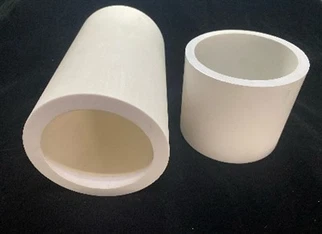
In mining, mineral processing, power generation, and bulk material handling industries, slurry transport pipelines operate under some of the harshest mechanical conditions in industrial environments. High solid concentrations, sharp mineral particles, and continuous high-velocity flow cause rapid internal wear in conventional steel pipes.
To address these challenges, engineers increasingly select alumina ceramic as the preferred pipe lining material for slurry systems. Its exceptional hardness, chemical stability, and long service life make it one of the most reliable solutions for abrasion and corrosion protection.
The Wear Challenge in Slurry Pipeline Systems
Slurry systems typically transport mixtures containing:
Iron ore concentrate
Copper tailings
Coal ash
Silica sand
Bauxite residue
These materials create two primary forms of damage:
Sliding abrasion along straight pipe sections
Impact wear at elbows, reducers, and bends
Traditional carbon steel or even hardened alloy steel pipelines often experience wall thinning, leakage, and unexpected shutdowns within short service cycles. Maintenance costs, production loss, and safety risks quickly accumulate.
This is why advanced pipe lining technology is now a strategic investment rather than a simple maintenance upgrade.
What Makes Alumina Ceramic Ideal for Pipe Lining?
1. Exceptional Hardness
High-density alumina ceramic (typically 92%–95% Al₂O₃) offers extremely high surface hardness, significantly exceeding that of hardened steel. This allows it to resist continuous abrasion from mineral particles in slurry systems.
The dense microstructure minimizes surface wear, ensuring stable long-term protection.
2. Superior Corrosion Resistance
Many slurry systems contain chemically active components such as acids, alkalis, and chlorides. Unlike steel, alumina does not oxidize or chemically degrade under these conditions.
This makes alumina ceramic pipe lining particularly effective in:
Tailings transport
Chemical mineral processing
Flue gas desulfurization systems
High-moisture slurry environments
The combined abrasion and corrosion resistance dramatically extends pipeline service life.
3. Reduced Maintenance and Downtime
Frequent pipe replacement disrupts production and increases operational cost. By integrating alumina ceramic into slurry pipeline systems, companies can:
Reduce shutdown frequency
Minimize labor costs
Lower spare parts inventory
Improve system reliability
In many mining operations, properly designed ceramic pipe lining solutions last several times longer than traditional steel alternatives.
How Alumina Ceramic Pipe Lining Systems Work
A typical ceramic-lined slurry pipe consists of:
Internal alumina ceramic lining layer
Bonding or anchoring system
External carbon steel shell
The steel shell provides structural strength and pressure resistance, while the ceramic lining acts as a protective barrier against wear.
This composite structure ensures both durability and mechanical stability under high-pressure slurry transport.
Applications in Slurry Systems
Mining Industry
Concentrate transport pipelines
Tailings discharge lines
Backfill transport systems
Power Plants
Fly ash slurry pipelines
Coal handling systems
Cement Plants
Raw material slurry transport
Dust conveying pipelines
In each application, alumina ceramic pipe lining provides reliable long-term wear protection.
Performance Comparison: Alumina Ceramic vs Steel Pipe
| Factor | Steel Pipe | Alumina Ceramic Pipe Lining |
|---|---|---|
| Abrasion Resistance | Moderate | Extremely High |
| Corrosion Resistance | Limited | Excellent |
| Service Life | Short to Medium | Long-Term |
| Maintenance Frequency | High | Low |
| Lifecycle Cost | High Over Time | Optimized |
Although the initial installation cost of ceramic pipe lining may be higher, lifecycle cost analysis often shows substantial long-term savings.
Engineering Considerations for Slurry Applications
When selecting alumina ceramic for pipe lining, engineers evaluate:
Slurry particle size distribution
Flow velocity
Solid concentration
Chemical composition
Operating temperature
Impact severity at elbows
Customized ceramic lining thickness and installation methods are often used for high-impact zones to ensure optimal protection.
Proper engineering design is critical to maximizing service life.
Supporting Sustainability and Operational Efficiency
Beyond wear protection, alumina ceramic pipe lining contributes to:
Improved flow efficiency due to smoother internal surface
Reduced energy loss
Lower material waste from pipe failures
Enhanced environmental compliance through leak prevention
As sustainability becomes increasingly important in mining and heavy industry, durable pipeline systems play a key role in reducing resource consumption.
Industry Outlook
With continued global demand for minerals and increased investment in mining infrastructure, slurry transport systems will remain critical components of industrial operations.
As a result, the adoption of alumina ceramic for pipe lining applications is expected to continue growing, particularly in high-abrasion and corrosive environments where steel alone cannot deliver sufficient performance.
For operators seeking long-term reliability, reduced maintenance, and improved cost efficiency, alumina ceramic remains the preferred solution for slurry pipeline protection.
Conclusion
In severe slurry transport environments, pipeline failure is not merely a maintenance inconvenience - it directly impacts production stability and profitability.
By integrating high-density alumina ceramic into engineered pipe lining systems, industries can achieve superior abrasion resistance, corrosion protection, and extended service life.
As mining and mineral processing operations continue to expand globally, alumina ceramic pipe lining will remain a critical technology supporting reliable and efficient slurry system performance.