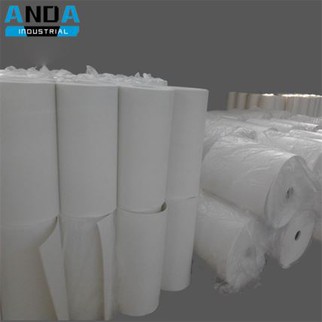
How Alumina Ceramic Pipe Liner Extends Pipeline Life 5–8 Times
Industry Application | Wear Protection in Slurry & Bulk Material Handling Systems
In high-abrasion industries such as mining, cement production, coal preparation, and power generation, pipeline wear is one of the most persistent operational challenges. Slurry transport systems continuously move abrasive materials under high velocity and pressure, leading to rapid wall thinning and frequent pipe replacement.
To solve this issue, many engineering teams have turned to advanced pipe liner technology-specifically high-density alumina liner systems. Field applications show that properly engineered wear resistant ceramic pipe solutions can extend pipeline service life by 5–8 times compared with conventional steel pipes.
This article explains the engineering principles behind this performance improvement and why alumina ceramic has become the industry's preferred lining material.
Why Conventional Steel Pipelines Fail Quickly
Slurry pipelines typically transport mixtures containing:
Iron ore concentrate
Copper tailings
Coal ash
Sand and silica particles
Cement raw materials
These materials create continuous friction and impact against the pipe wall. Two primary wear mechanisms occur:
Sliding abrasion along straight pipe sections
Impact erosion at elbows, reducers, and directional changes
Even hardened steel pipelines marketed as abrasion resistant pipe systems often experience rapid degradation in high-solids environments. Once wall thickness decreases beyond safety limits, leaks and shutdowns become inevitable.
The Engineering Advantage of Alumina Ceramic Pipe Liner
An alumina liner is typically manufactured using high-purity aluminum oxide (Al₂O₃), sintered at high temperature to achieve a dense and extremely hard microstructure.
Key performance characteristics include:
Very high surface hardness (significantly higher than hardened steel)
How Pipeline Life Is Extended 5–8 Times
1. Superior Hardness Reduces Abrasion Rate
The primary reason a wear resistant ceramic pipe lasts significantly longer is hardness.
Mineral particles transported in slurry pipelines typically fall below the hardness level of alumina ceramic. This means the ceramic surface experiences minimal material loss under sliding friction, dramatically reducing wear rate.
In practical mining applications, wear depth per year can be reduced to a fraction of that seen in carbon steel pipelines.
2. Resistance to Impact at Critical Zones
Elbows and junctions are the most vulnerable areas in slurry systems. The impact force of particles changing direction accelerates plate wear in steel pipes.
High-density alumina liner materials maintain structural integrity even under repeated impact. Custom thickness adjustments at elbows further enhance protection, contributing to the 5–8x service life improvement.
3. Corrosion Protection Enhances Durability
Many slurry systems contain acidic or alkaline components that corrode steel from within. Corrosion weakens pipe walls and accelerates mechanical wear.
Alumina ceramic provides strong chemical stability, protecting the pipeline against both abrasion and chemical attack. This dual protection is a key factor in extending operational lifespan.
4. Reduced Friction Improves Flow Efficiency
A properly installed pipe liner made from alumina ceramic offers a smoother internal surface compared with worn steel. Reduced friction:
Improves material flow stability
Lowers energy loss
Minimizes turbulence-induced wear
This helps maintain consistent pipeline performance over long operating cycles.
Typical Structure of Wear Resistant Ceramic Pipe
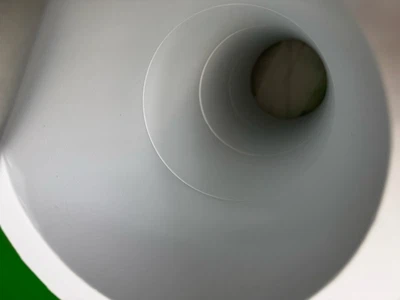
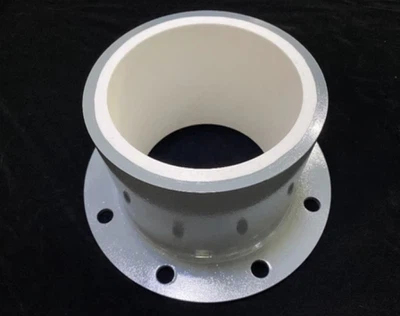
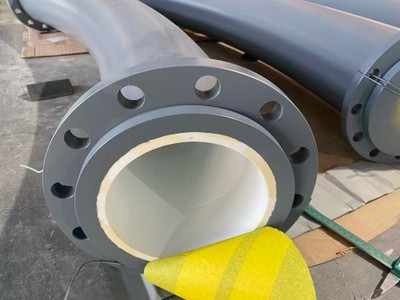
A standard wear resistant ceramic pipe system includes:
Internal alumina ceramic lining
High-strength bonding or anchoring layer
External steel pipe for pressure support
This composite design allows the system to handle high-pressure slurry transport while maintaining long-term abrasion protection.
Industrial projects often choose factory-engineered ceramic lining solutions to ensure dimensional accuracy and bonding quality.
Lifecycle Cost Benefits
Although initial investment in ceramic-lined systems may be higher than traditional steel pipes, long-term financial analysis shows significant savings.
Extended service life leads to:
Fewer shutdowns
Lower replacement frequency
Reduced labor costs
Improved production continuity
In large-scale mining operations, replacing pipelines every 6–12 months can be replaced with multi-year service cycles when using a high-quality alumina liner system.
Over time, the total cost of ownership becomes substantially lower.
Application Examples
Mining Slurry Pipelines
Concentrate transport and tailings discharge systems benefit greatly from ceramic pipe liner protection.
Coal Handling Systems
Coal ash slurry transport in power plants experiences significant abrasion; ceramic lining stabilizes long-term operation.
Cement and Bulk Material Conveying
High-density material transport systems achieve improved reliability through wear resistant ceramic pipe installation.
Engineering Factors to Consider
To achieve the full 5–8 times lifespan improvement, proper engineering design is essential. Key considerations include:
Slurry particle size
Solid concentration
Flow velocity
Impact zones
Operating pressure
Installation quality
Selecting the correct thickness and liner configuration ensures optimal wear performance.
Industry Trend: From Reactive Maintenance to Preventive Engineering
The mining and heavy industry sectors are shifting from reactive pipe replacement strategies to proactive wear management. Instead of waiting for failure, companies now specify advanced pipe liner systems during initial project design.
This transition reflects a broader focus on:
Operational stability
Safety improvement
Lifecycle cost optimization
Sustainable infrastructure
As a result, demand for wear resistant ceramic pipe solutions continues to grow across global mining regions.
Conclusion
Extending pipeline life is not simply about using thicker steel-it requires fundamentally better material performance.
By integrating a high-density alumina liner into slurry transport systems, operators can dramatically reduce abrasion rate, resist corrosion, and maintain structural integrity under extreme conditions.
Field performance consistently demonstrates that a well-designed pipe liner system can extend service life by 5–8 times compared with conventional steel pipelines.
For industries facing severe slurry abrasion, alumina ceramic remains one of the most reliable and cost-effective long-term solutions.
Dense microstructure with minimal porosity
Excellent chemical stability
Low water absorption
Strong compressive strength
When integrated into a composite pipe liner structure-ceramic inner lining combined with steel outer shell-the system benefits from both extreme wear resistance and mechanical strength.