Water has always been a critical resource in mineral processing. From ore grinding to flotation and tailings transport, mining operations rely heavily on stable water supply. However, growing environmental regulations, water scarcity in key mining regions, and rising ESG requirements are forcing the industry to rethink traditional water consumption models.
Today, water recycling is transforming modern mining operations-and advanced mining filtration systems are at the center of this shift.
The Rising Importance of Mining Water Recycling
In many mining regions, freshwater availability is limited and increasingly regulated. Excessive water withdrawal can lead to operational restrictions, higher costs, and environmental penalties. As a result, mining companies are investing in more efficient mining water treatment and water recovery systems.
Recycling process water not only reduces environmental impact but also lowers operational expenses. However, effective recycling requires reliable solid-liquid separation technology, particularly in tailings management.
This is where advanced vacuum ceramic filter systems and high-performance ceramic filter plates play a critical role.
The Role of Tailings Dewatering in Water Recovery
One of the most water-intensive stages in mining is tailings disposal. Traditionally, tailings slurry contains a high percentage of water, which is pumped into storage facilities. This approach leads to water loss and long-term environmental risk.
Modern tailings dewatering solutions focus on extracting as much water as possible before disposal. By reducing moisture content in tailings, mining companies can:
Recover process water for reuse
Minimize tailings pond volume
Improve dam stability
Reduce environmental liability
Advanced vacuum ceramic filtration systems have proven highly effective in this application.
How Vacuum Ceramic Filters Improve Water Recycling
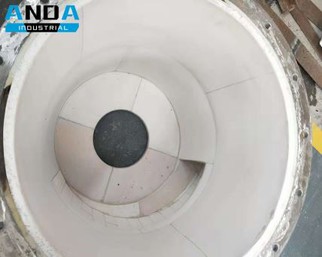
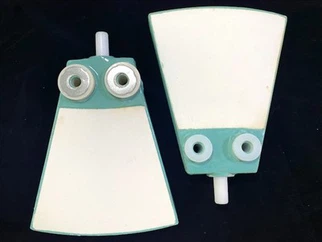
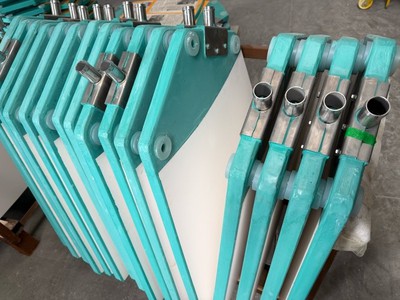
A vacuum ceramic filter uses negative pressure and microporous ceramic filter plates to separate water from solid particles in slurry. Unlike traditional filter cloth systems, ceramic plates offer stable pore structure and long-term durability in abrasive mining environments.
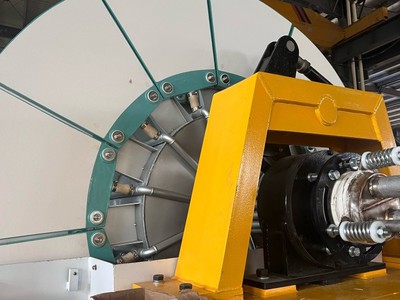
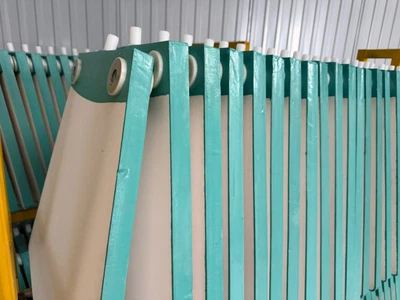
In a typical ceramic filters disc system, multiple ceramic filter plates are mounted on rotating discs. As the discs pass through the slurry, vacuum pressure draws water through the plate structure while solids form a filter cake on the surface. The recovered water is collected and returned to the processing circuit.
This continuous mining filtration process ensures:
High water recovery rates
Lower residual moisture in filter cake
Stable filtration cycles
Reduced downtime
The ability to efficiently reclaim water makes vacuum ceramic filtration a key enabler of sustainable mining operations.
Economic and Environmental Impact
Water recycling through advanced filtration solutions delivers both environmental and financial benefits.
From an environmental perspective:
Reduced freshwater withdrawal
Lower risk of tailings dam overflow
Improved compliance with discharge regulations
From an economic standpoint:
Lower water procurement costs
Reduced pumping and storage expenses
Longer service life of ceramic filter plates compared to cloth media
Decreased maintenance frequency
These advantages explain why more mining projects are integrating vacuum ceramic filter systems at the plant design stage.
Technology Advancements Supporting Sustainable Mining
Recent developments in ceramic manufacturing have further enhanced the performance of ceramic filter plates used in mining filtration systems. Modern plates feature optimized internal drainage channels and high-strength alumina structures, ensuring durability under continuous vacuum pressure.
Integrated ceramic filters disc configurations maximize filtration surface area while maintaining mechanical stability. This design improves throughput and supports large-scale water recycling programs in mineral processing plants.
As ESG standards continue to influence investment decisions, water-efficient processing technologies are becoming essential competitive advantages.
The Future of Water Recycling in Mining
Industry experts predict that water recycling will become standard practice in both new and existing mining operations. Sustainable production strategies increasingly require advanced mining water treatment systems capable of supporting closed-loop water circuits.
In this context, high-performance vacuum ceramic filters and durable ceramic filter plates are expected to see continued growth in demand. Efficient tailings dewatering and optimized filtration solutions will remain central to environmentally responsible mineral extraction.
Conclusion
Water recycling is fundamentally reshaping modern mining operations. As environmental accountability and cost efficiency become strategic priorities, advanced mining filtration technologies are enabling significant improvements in water management.
Through reliable vacuum ceramic filtration systems, durable ceramic filter plates, and efficient ceramic filters disc configurations, mining companies can recover valuable water resources, reduce environmental risks, and enhance operational stability.
Sustainable mining depends on efficient water use-and advanced filtration technology is driving that transformation.