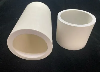
Across the global mining, mineral processing, cement, and power generation sectors, Engineering, Procurement, and Construction (EPC) contractors are playing an increasingly important role in equipment selection and infrastructure design. One notable trend emerging in recent years is the growing preference for ceramic lined pipe systems in new-build projects.
Rather than waiting for wear problems to occur after commissioning, EPC firms are now incorporating advanced wear protection technologies during the engineering phase. As a result, ceramic-lined piping solutions are becoming standard specifications in many slurry transport, tailings handling, and bulk material conveying systems.
Why EPC Contractors Focus on Lifecycle Cost Rather Than Purchase Price
Historically, many industrial projects selected pipeline materials based primarily on initial procurement costs. However, today's EPC contractors are evaluated on long-term project performance, operational reliability, and maintenance requirements.
When designing a new facility, EPC engineers increasingly analyze:
Expected service life
Maintenance frequency
Downtime risk
Replacement costs
Operational efficiency
Total cost of ownership
This shift in evaluation criteria has significantly increased interest in ceramic-lined systems.
Although a ceramic lined pipe may cost more than a conventional steel pipe initially, the extended service life often generates substantial savings over the operational life of the plant.
Slurry Transport Systems Present a Major Engineering Challenge
Modern processing facilities transport large volumes of abrasive materials, including:
Copper concentrate
Iron ore slurry
Lithium processing materials
Tailings slurry
Coal ash
Cement raw materials
These materials continuously erode pipeline surfaces.
In high-velocity applications, elbows, reducers, and pump discharge sections often become wear hotspots, requiring frequent maintenance and replacement.
To minimize future maintenance issues, EPC contractors increasingly specify ceramic-lined solutions before the project enters construction.
Ceramic Lined Pipe Offers Predictable Wear Performance
One reason EPC firms favor ceramic-lined systems is the ability to predict wear behavior more accurately.
Unlike conventional steel pipes that gradually lose thickness through abrasion and corrosion, ceramic linings provide:
Exceptional hardness
Stable wear resistance
Superior corrosion protection
Consistent internal flow characteristics
This predictability simplifies maintenance planning and reduces the likelihood of unexpected shutdowns after project handover.
For project owners, predictable performance means lower operational risk and improved return on investment.
Pipe Liner Installation Has Become More Efficient
In the past, some project developers hesitated to adopt ceramic lining technology because they were concerned about installation complexity.
Today, modern pipe liner installation methods have significantly improved.
Manufacturers now offer:
Factory-lined pipe sections
Pre-engineered elbow assemblies
Modular installation systems
Precision-fit ceramic components
These developments allow EPC contractors to integrate wear-resistant piping into project schedules without introducing significant construction delays.
The result is faster commissioning and more reliable long-term operation.
Supporting ESG and Sustainability Objectives
Environmental and sustainability requirements are influencing engineering decisions worldwide.
Frequent pipeline replacement generates:
Additional steel consumption
Increased maintenance waste
Higher transportation emissions
More production interruptions
By extending service life, ceramic-lined systems support sustainability goals through reduced material consumption and lower maintenance demand.
Many project developers now view advanced wear protection as part of broader asset sustainability strategies.
Growing Adoption in Mining and Tailings Projects
The trend is particularly evident in mining infrastructure projects.
As countries expand copper, lithium, and critical mineral production, new concentrators and tailings facilities are being designed for decades of operation.
EPC contractors working on these projects increasingly specify ceramic-lined pipelines for:
Slurry transport systems
Tailings discharge pipelines
Cyclone feed circuits
Thickener underflow lines
Backfill transportation networks
These systems operate under severe wear conditions where long-term reliability is critical.
The Shift Toward Engineering-by-Design
A decade ago, wear protection was often considered a maintenance issue.
Today, leading EPC firms treat wear management as an engineering design challenge.
Instead of asking:
"How do we repair wear after startup?"
Project teams now ask:
"How do we eliminate wear-related failures before the plant begins operating?"
This change in mindset is accelerating the adoption of ceramic-lined technologies across multiple industries.
Conclusion
The increasing specification of ceramic lined pipe systems by EPC contractors reflects a broader industry movement toward lifecycle optimization, operational reliability, and sustainable infrastructure design.
With modern pipe liner installation methods reducing construction complexity and advanced ceramic materials delivering superior wear performance, ceramic-lined piping is becoming a preferred solution for new industrial projects.
As mining, mineral processing, and bulk material handling facilities continue to expand globally, EPC contractors are expected to play a leading role in driving the adoption of next-generation wear protection technologies.