In recent years, rapid advancements in mining process technology have transformed how mineral processing plants approach solid-liquid separation. As the mining industry continues to expand-including copper, iron ore, lithium, and other critical minerals-the demand for more efficient, reliable, and sustainable mining filtration solutions has never been higher.
A central focus of this transformation is the evolution of disc filter systems, particularly those equipped with advanced ceramic filter plates and integrated with modern automation and process optimization technologies. From improving tailings dewatering efficiency to enhancing mining slurry dewatering performance, these innovations are redefining how mining companies manage water and solids.
From Traditional Cloth to Advanced Ceramic Filtration Media
Historically, many mineral processing plants relied on filter cloth media for dewatering and separation tasks. While initially effective, traditional cloth filters have limitations:
Susceptibility to wear, tear, and clogging
Frequent maintenance and replacement needs
Variability in cake moisture and performance
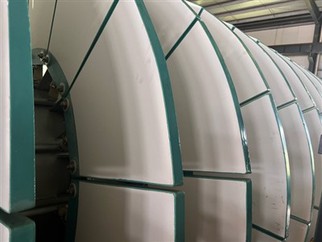
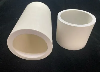
In contrast, the adoption of ceramic filters disc technology-especially systems using high-performance ceramic filter plates-is providing significant advantages for modern mining operations. Ceramic plates, especially alumina ceramic membrane filter plates, offer:
Consistent microporous structure for stable filtration
Longer operational life with reduced maintenance
Superior abrasion and chemical resistance
Enhanced performance across diverse slurry types
These characteristics make ceramic media ideal for demanding applications such as mining slurry dewatering, tailings dewatering, and integrated mining water treatment systems.
Innovation 1: Optimized Pore Structure and Water Channel Design
One of the most meaningful innovations in disc filter systems is the engineering of internal pore networks within the ceramic filter plates. Modern plates are designed with an interconnected micro-channel structure that:
Improves capillary action
Promotes uniform vacuum distribution
Enables faster dewatering rates
Reduces residual moisture levels
This optimized structure is especially beneficial when installed in vacuum ceramic filter equipment, where consistent vacuum flow and effective drainage are critical to achieving high throughput and low water content in filter cakes.
Innovation 2: Integrated Automation and Process Control
Another major trend is the integration of automation, sensors, and digital control in disc filter operations. Advanced mining filtration systems now feature:
Real-time monitoring of vacuum levels
Automated cake discharge and cleaning cycles
Predictive maintenance alerts
Remote performance data visualization
These technologies help mining operators dynamically optimize system performance, reduce downtime, and minimize operational costs. In combination with robust ceramic filter plates, automated disc filters are becoming the backbone of reliable filtration media systems in modern concentrators.
Innovation 3: Material Advancements for Harsh Mining Environments
Mining environments are inherently abrasive and chemically challenging. Recent material innovations have strengthened the durability of disc filter components, particularly:
High-purity alumina compositions
Composite ceramics with enhanced wear resistance
Coatings that reduce particle adhesion
These advancements contribute to longer service intervals and reduced lifecycle costs for mining filtration equipment, especially in high-volume tailings dewatering applications.
Innovation 4: Sustainable Filtration and Water Recycling Integration
Sustainability is no longer an afterthought-it's central to mining strategy. Disc filter innovations now increasingly emphasize integration with broader mining water treatment systems and circular water management approaches.
By combining efficient vacuum ceramic filter systems with modern recycling and reuse infrastructure, mining operations can:
Recover more process water
Reduce freshwater intake
Minimize environmental footprint
Enhance tailings dry stacking programs
This shift toward sustainable water usage strengthens compliance with environmental regulations and supports corporate ESG goals.
The Impact on Tailings Dewatering and Slurry Handling
The adoption of advanced disc filter systems directly influences key performance outcomes for tailings and slurry management:
Stronger Dewatering Capacity
Modern ceramic filters disc systems deliver unparalleled dewatering capability, lowering tailings moisture and creating stable filter cakes that support safer storage and dry stacking.
Greater Filtration Consistency
The precision-engineered internal structure of ceramic filter plates ensures predictable performance across diverse mineral slurries, reducing variability and process risk.
Reduced Lifecycle and Maintenance Costs
Thanks to robust materials and smart process control, downtime is minimized and operating costs are lower than older cloth-based technologies.
Building a Competitive Filtration Strategy
For mining companies aiming to optimize plant performance, a modern filtration strategy must include:
Evaluation of ceramic filter plate performance
Integration with vacuum ceramic filter systems
Adoption of automated and sensor-driven control
Alignment with sustainable water treatment goals
These elements not only improve performance metrics but also contribute to overall operational resilience.
Conclusion
As mining operations continue to modernize, the evolution of disc filter systems represents a crucial piece of that transformation. From ceramic filter plates with engineered microstructures to automated vacuum systems that optimize mining slurry dewatering, the innovations detailed here are redefining filtration capability.
For mining companies serious about improving productivity, minimizing environmental risk, and enhancing water recovery, embracing these advancements in mining filtration technology is no longer optional-it's essential.